
 Fi

Sand Belt Machine Guide: Types, Selection, Safe Operation, and Maintenance
"Sand belt machine" is a broad term, and one clarification is worth making early. In most workshops it means an abrasive belt sander - a machine that runs a continuous coated abrasive belt over a contact wheel or platen to grind, deburr, blend, dimension, or finish a surface. The same idea appears as a belt grinder, wide-belt sander, or abrasive belt machine depending on the trade. This guide stays practical: what the machine does, which format suits which job, what to check before buying, and how to run one safely.
What a Sand Belt Machine Actually Does
An abrasive belt is not a sheet of sandpaper wrapped around a block. It is a jointed loop, tensioned between pulleys and backed by a contact wheel, platen, or graphite pad. That continuous loop is what gives a sand belt machine its character: steady cutting action, good heat distribution, and a finish that can be adjusted by changing grit, belt speed, and pressure.
The work itself falls into a few familiar groups. In woodworking, belt sanders flatten panels, remove planer marks, fit joints, and shape edges. In metalwork, abrasive belt machines remove scale, grind welds, round corners, clean cut edges, and produce a brushed or satin finish. A sand belt machine removes material from a surface. It does not drill, form, or reduce the diameter of wire. That distinction matters later when we compare belt sanding with wire drawing.
Common Types and Where They Fit
The market uses overlapping names, so it helps to look at the work first and the label second. The table below is a practical starting point rather than a strict classification.
| Format | Typical work | Common setting | Watch-outs |
|---|---|---|---|
| Narrow handheld or bench sander | Edges, small parts, touch-up | Woodshops, maintenance benches | Limited contact area; dust control |
| Stationary edge or bench sander | Deburring, squaring, small metal parts | Fabrication shops, tool rooms | Table alignment and guard setting |
| Abrasive belt grinder | Weld blending, stock removal, radii | Metal fabrication | Heat, sparks, belt grade selection |
| Wide-belt sander | Panels, sheet, flat stock | Woodworking and metal finishing | Floor space, extraction, belt cost |
| Tube, pipe, or profile sander | Curved sections, frames, rails | Metal products and repair work | Access, belt wear, consistent pressure |
Many machines cross these lines. A bench grinder fitted with an abrasive belt is not the same as a wide-belt panel sander, even though both are called belt sanders. The useful question is not "What is it called?" but "What surface, size, and finish does the work demand?"
Choosing the Right Sand Belt Machine
Start with the work, not the horsepower
Write down the largest and smallest part you expect to process, the material, the finish you need, and the shape of the surfaces you must reach. A machine that is excellent on flat steel plate may be awkward on a welded frame. A sander that handles wood panels quickly may lack the guarding, spark control, and belt selection needed for metal. Duty cycle matters too: a hobby machine run for ten minutes a day is a different purchase from a production sander that runs for six hours.
Specifications that matter
- Belt width and length, because belt availability affects cost and downtime.
- Motor power and duty rating, matched to the material and depth of cut.
- Belt speed and the ability to adjust it for heat-sensitive work.
- Contact wheel hardness and platen condition, which shape the finish and cutting feel.
- Table rigidity, tilt range, and fence alignment for repeatable work.
- Tracking adjustment that holds position without constant correction.
- Dust or extraction connections suitable for the material being sanded.
- Guards, emergency stop, and access for belt changes and cleaning.
A little extra frame rigidity and a reliable tracking system usually matter more than a glossy horsepower figure. A sand belt machine that walks its belt off the rollers will waste time no matter how strong the motor is.
Setup, Operation, and Maintenance Habits
Setup
Before the first cut, check belt tension, tracking, and platen alignment. Set the table square to the belt and confirm that guards cover the nip points. Connect extraction before making dust or sparks. Run the machine briefly with no workpiece, listen for rubbing or rattling, and watch the belt edge. If the belt drifts, stop and correct it rather than compensating with pressure.
Maintenance
- Inspect belts before fitting them; store them flat and away from damp air.
- Remove dust and metal particles from rollers, platen, and tracking mechanisms.
- Check bearings and drive components for noise, heat, or looseness.
- Replace worn or glazed belts instead of forcing them with extra pressure.
- Keep tables, fences, and stops clean so settings remain repeatable.
- Record belt changes and maintenance so recurring tracking problems are visible.
Safety and Dust Control
A sand belt machine looks simple, which is exactly why basic safety gets overlooked. Abrasive dust can be harmful, metal sparks can ignite nearby material, and a moving belt can catch loose clothing or draw a small part into the machine. The right setup depends on the material, but the habits are consistent.
- Wear eye protection and use extraction or respiratory protection for fine dust.
- Keep guards in place and keep fingers clear of the belt run-in point.
- Hold small parts with a fixture or clamp, not by hand near the belt.
- Control sparks and keep flammable material away from the work area.
- Let the machine reach full speed before applying the workpiece.
- Stop and inspect if the belt tracks poorly, smells hot, or changes sound.
Sand Belt Machine vs Wire Drawing Machine
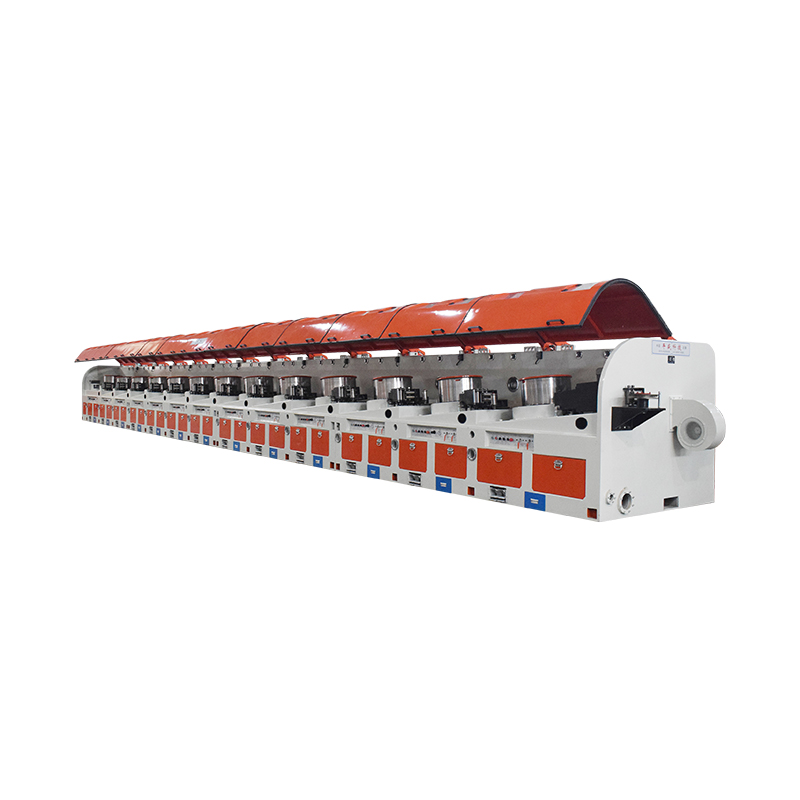
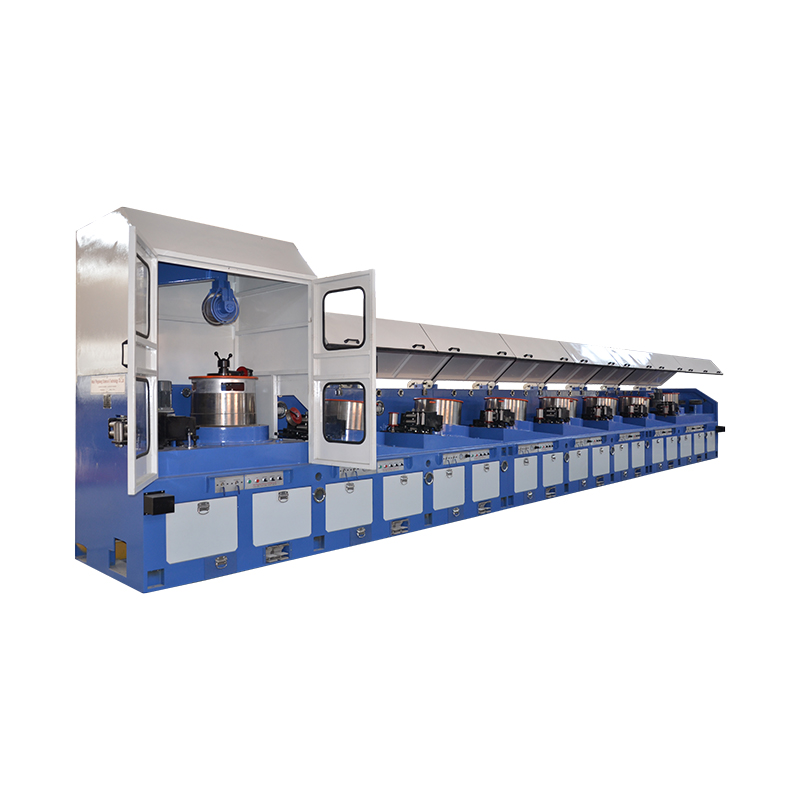
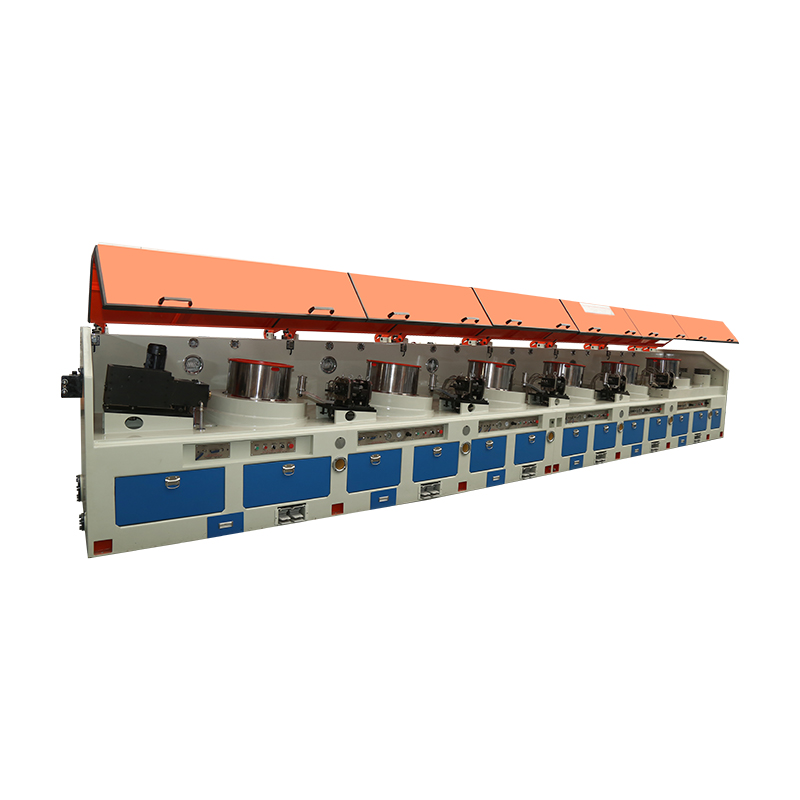
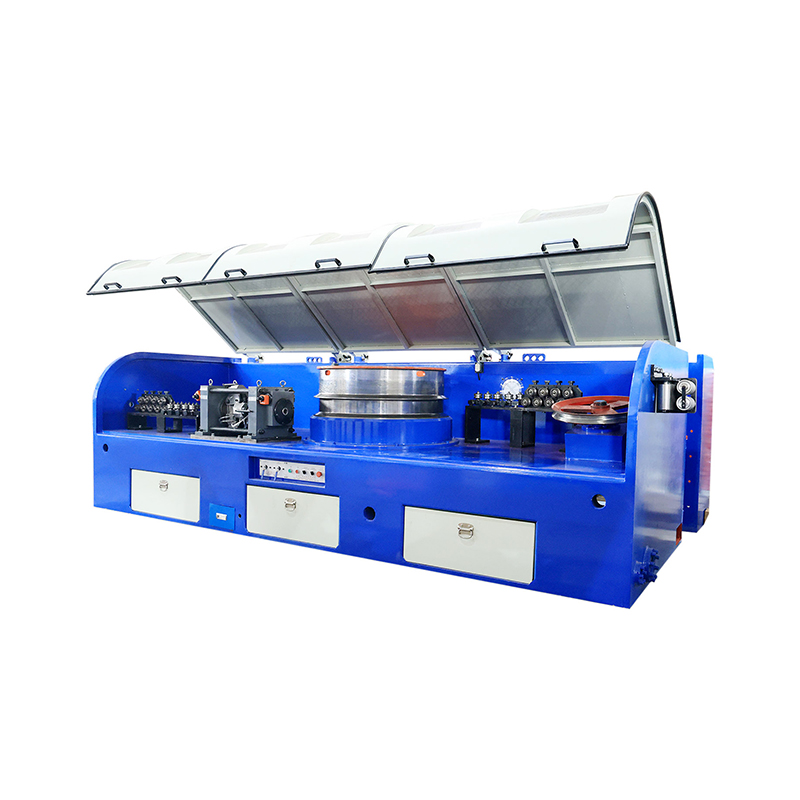
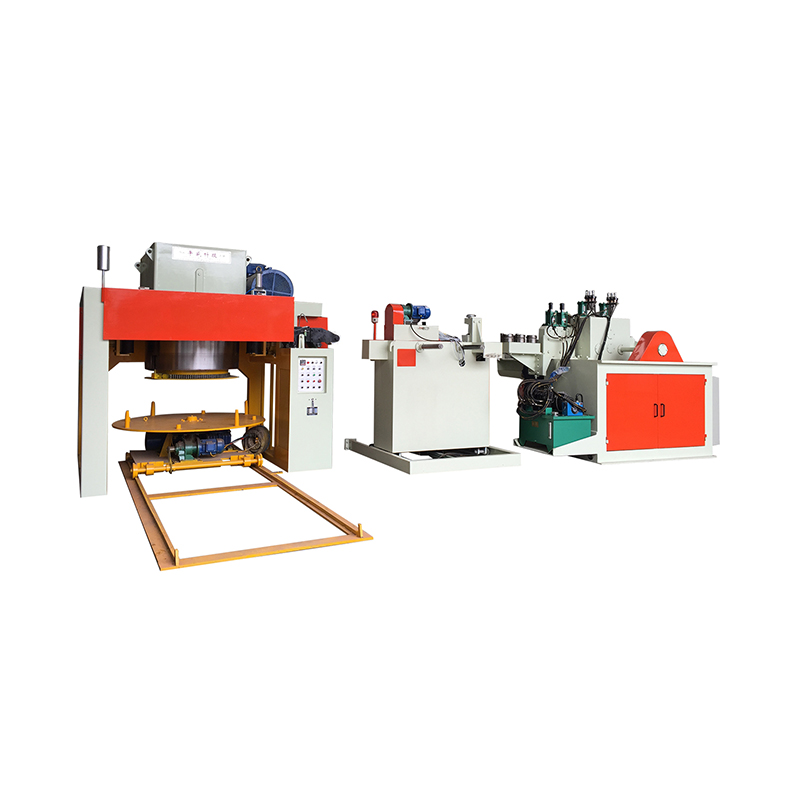
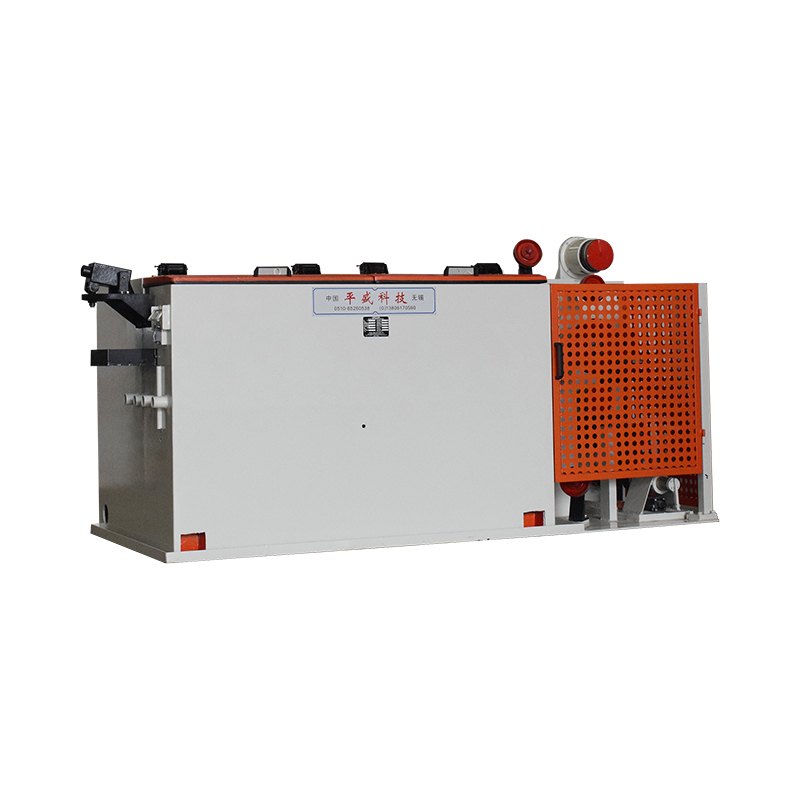
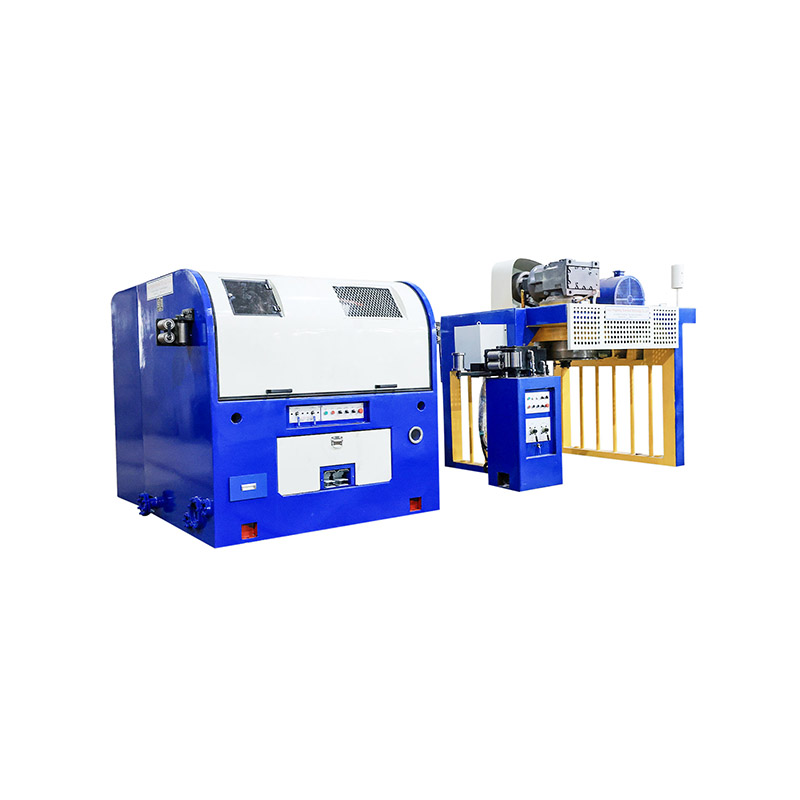
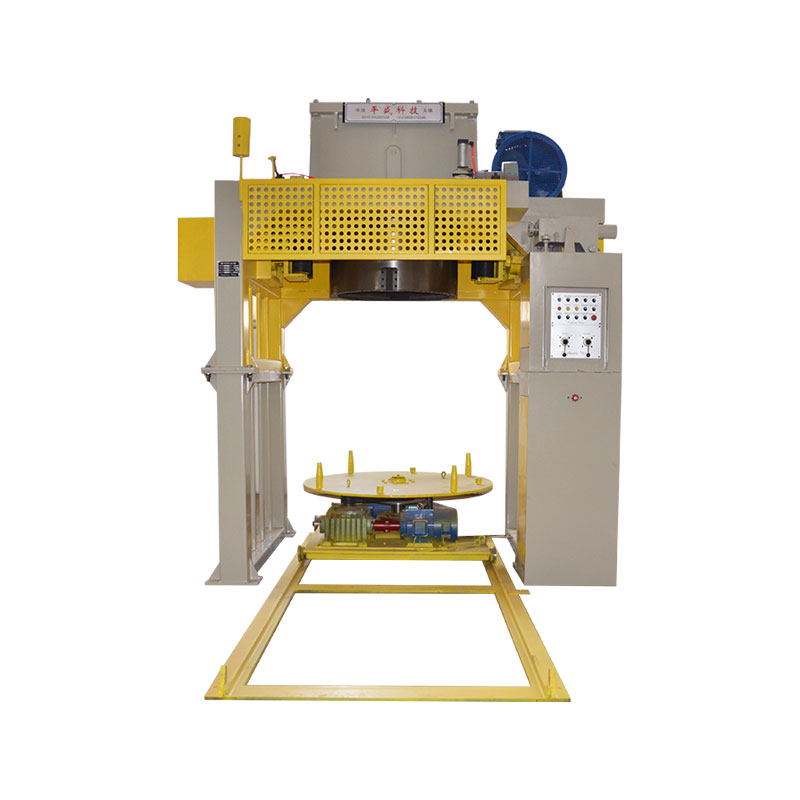
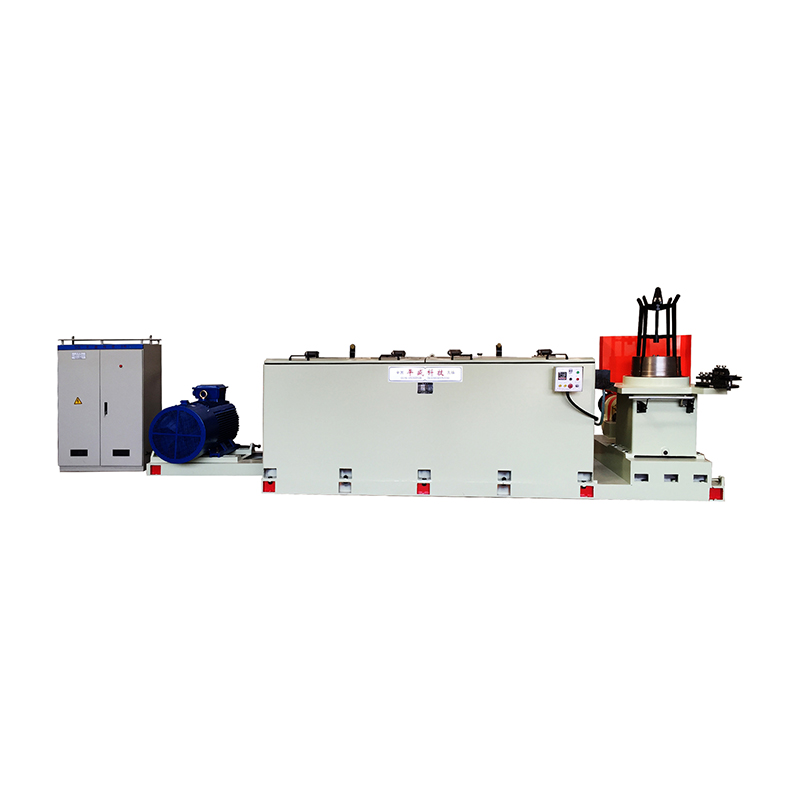
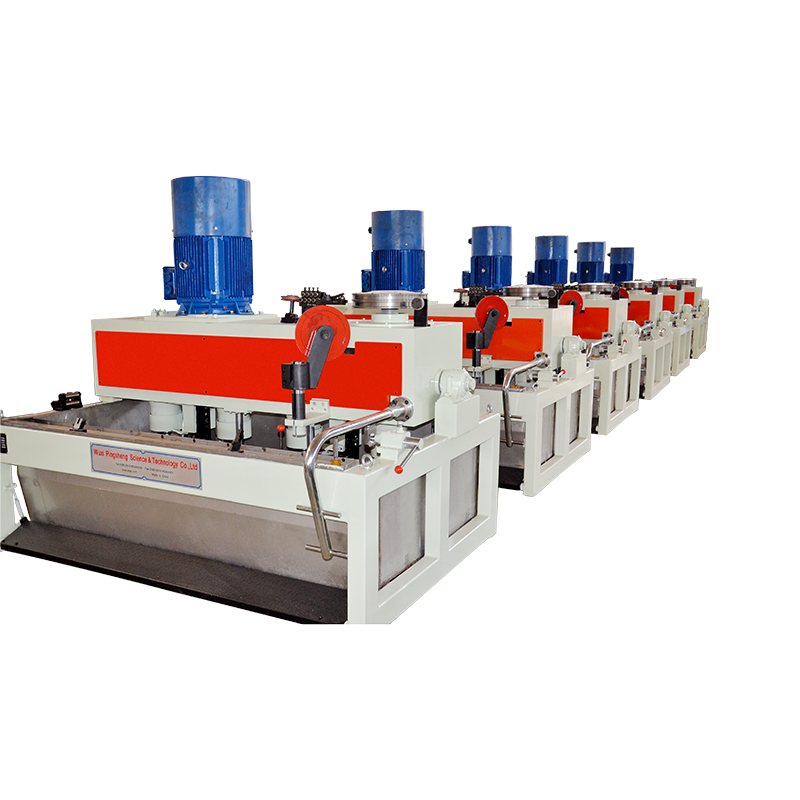
These two machine families are sometimes confused because both deal with metal and both can appear in a metal products plant. Their purpose is different. A sand belt machine conditions a surface: it grinds, deburrs, blends, or finishes. A wire drawing machine reduces wire diameter by pulling the wire through dies, with pay-off, drawing, lubrication, cooling, and take-up arranged as a line. One changes the surface; the other changes the section.
At Wuxi Pingsheng Science & Technology, our daily work is with wire drawing machines and the auxiliary equipment around them, including pay-off, take-up, and surface treatment equipment for metal products. That experience makes us careful about language. A belt sander may sit near a drawing line for local touch-up, but it does not replace the die-based drawing process. If you are planning a metal products line, treat surface conditioning and diameter reduction as separate decisions with separate safety and quality requirements.
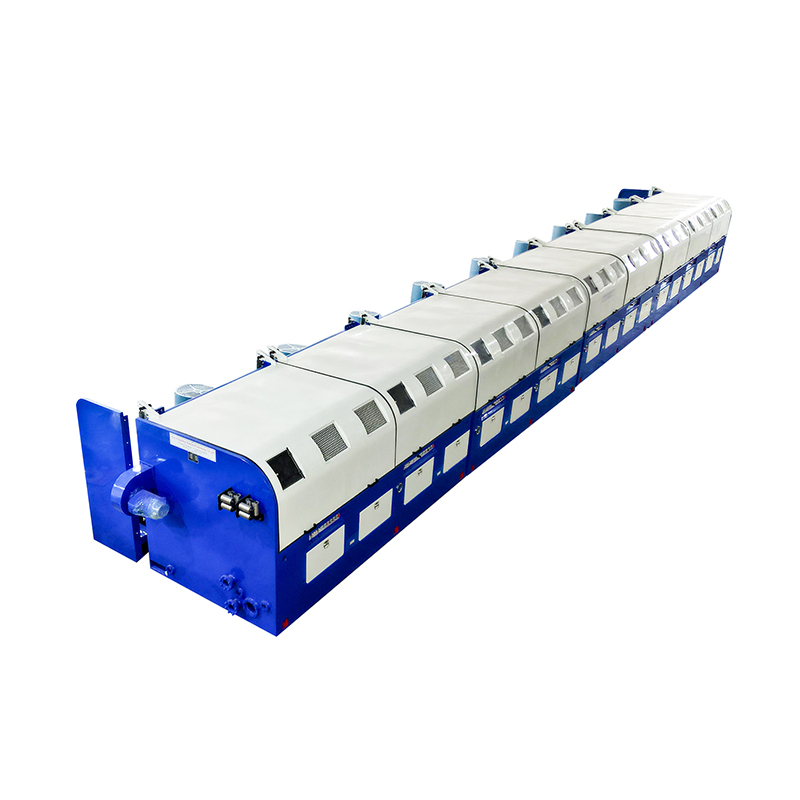
 Wire Surface Treatment Equipment for Production LinesReview nine surface treatment machine types for cleaning, descaling, coating, and drying wire before drawing or further processing.View Product →
For a line that needs both surface preparation and drawing, the sequence should be designed around the material and the final property requirements. Our surface treatment equipment is one place to review that surface step, while high-carbon wire and PC wire drawing lines show how diameter reduction is handled in a continuous production setting.
A Practical Buying Checklist
- Define the material, part size, finish, and production volume.
- Confirm the belt size is easy to source in the grits you need.
- Check motor duty rating, belt speed, and heat management.
- Inspect tracking, tension, platen, and contact wheel condition.
- Test table alignment, guards, and emergency stop response.
- Plan dust or spark extraction before the machine arrives.
- Ask about spare rollers, platen pads, and belt-change access.
- Match the machine to the operator's real working position and space.
A Calm Buying Decision
A sand belt machine is a useful, understandable tool when it is matched to the work. The best choice is rarely the largest or cheapest model; it is the one with stable tracking, sensible guarding, a belt size you can keep in stock, and enough rigidity to hold a finish. Visit the machine with a sample if you can. Listen to it run, check how the belt tracks, and imagine changing a belt with gloves on. Those small observations often tell you more than a specification sheet, and they help you buy a sander that earns its floor space year after year.